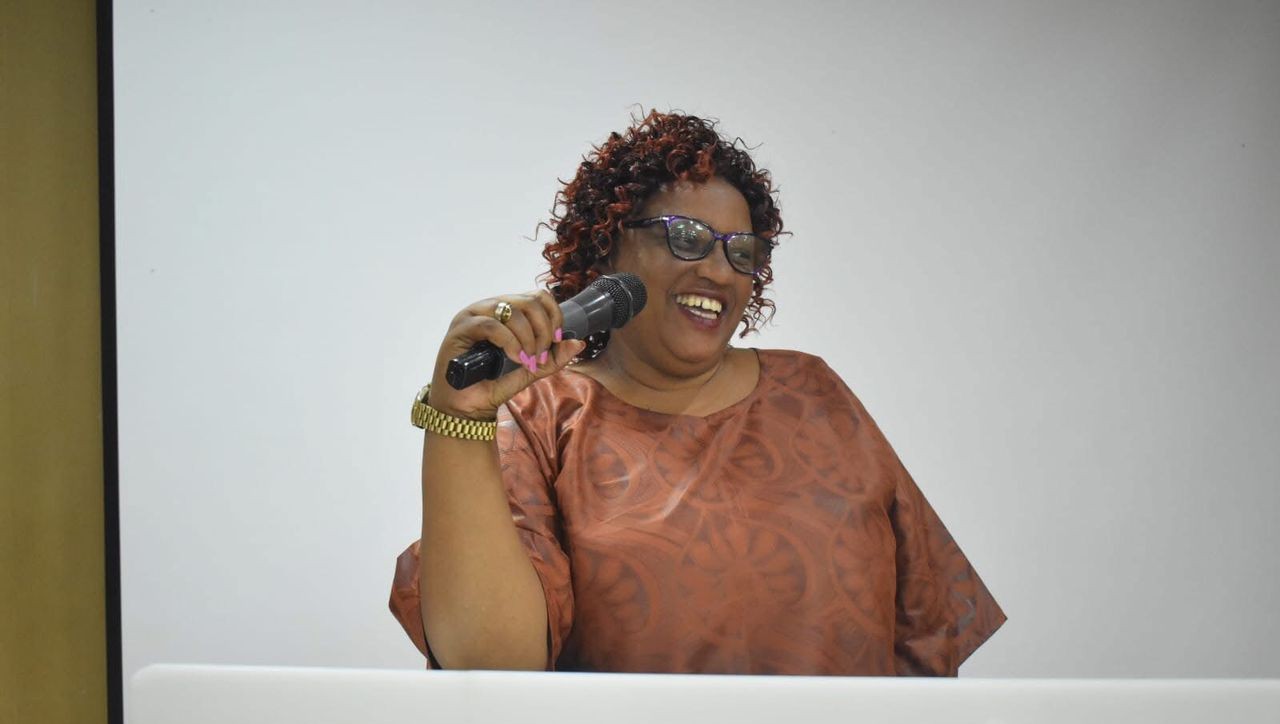
By Alexia Uwajeneza
My name is Alexia Uwajeneza, and I am 46 years old. I have been living with the effects of a stroke for more than 12.5 years. Before my stroke, I lived a full and stable life. I had a happy family and worked as a midwife. On Sunday, December 19, 2010, at approximately 8:00 a.m., while rushing to attend the first Mass, I suddenly felt extreme weakness and severe dizziness. I lost consciousness shortly afterward. My husband immediately took me to the nearest private clinic in Muhanga, where I received first aid and briefly regained consciousness. Due to the severity of my condition, I was referred to Kabgayi Hospital. When doctors there were unable to determine the cause of my symptoms, I was referred again to CHUK. Unfortunately, due to overcrowding, I had to wait for an available room. During this time, I stayed with a friend who lived near the hospital. While waiting, I lost consciousness again and fell into a coma that lasted three days. I was later transferred to King Faisal Hospital, where a CT scan confirmed that I had suffered an ischemic cerebral infarction, resulting in left-sided hemiplegia. I permanently lost the use of my left arm and left leg. Several months later, I began physiotherapy. However, my recovery has remained very limited due to the large area of the brain that was affected
. Over the years, the stroke profoundly altered my life. I lost my job, my property, and many aspects of the life I once knew. Despite these challenges, my journey did not end there. A few years later, I joined Stroke Action Rwanda, an association supporting people affected by stroke. Becoming part of this community transformed my life. Through peer support and shared experiences, I overcame depression and rediscovered hope. I learned that I was not alone and that my life still had purpose. Today, as a stroke survivor, I continue to rebuild my strength and resilience. My story is one of survival, courage, and determination. I share it to raise awareness, to support others facing similar challenges, and to affirm that life after stroke—though different—can still be meaningful. — Alexia Uwajeneza
Back to Stories →