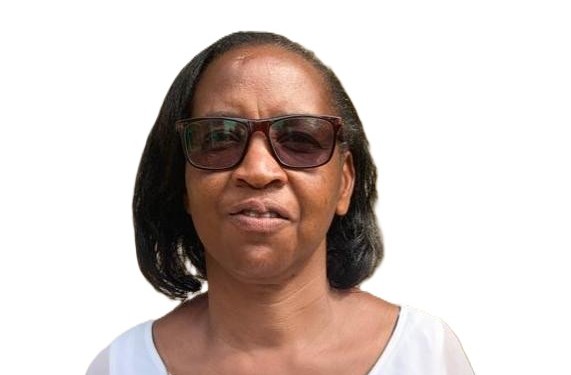
By Alexia Uwajeneza
Akimanizanye Epiphanie, In March 2020, my husband suffered a stroke, and since then I have served as his primary caregiver. This experience has shown me that stroke is not only a medical emergency but also a long-term social, emotional, and economic challenge that affects entire families. Before his illness, my husband was fully independent—working, walking, and communicating without difficulty. The sudden loss of these abilities was devastating. Overnight, our family routine, income stability, and emotional wellbeing were profoundly disrupted. Following hospital discharge, we adhered closely to medical advice, attending regular follow-up appointments and implementing home-based care recommendations. With the support of healthcare professionals and by God’s grace, gradual improvements became visible over time. During the COVID-19 period, we accessed home-based physiotherapy services for three months. This intervention was critical to recovery but required significant preparation and resources. We had to obtain specialized equipment such as a medical bed, wheelchair, crutches, and install support bars in the home to enable daily rehabilitation exercises. These necessities placed a heavy financial burden on our household. As caregiving demands increased, our financial resources steadily declined. One of the most painful moments was receiving a formal termination letter from my husband’s employer due to his medical condition. This highlighted how vulnerable stroke survivors and their families are to income loss and social insecurity. Our challenges were compounded by administrative delays in obtaining medical documentation, which led to the temporary suspension of health insurance coverage by RSSB. During this period, accessing medication and ongoing care became extremely difficult, and we were forced to ration essential treatments. When pension and insurance issues were eventually resolved, our situation stabilized.
Personal health, rest, and professional development are frequently neglected, as attention is focused entirely on the patient’s needs and basic family survival. I also observed that many stroke survivors and individuals living with long-term illnesses experience emotional distress and may lose hope. Caregivers play a critical role in providing emotional support, encouragement, and spiritual strength. However, caregivers themselves are at high risk of burnout, depression, and stress-related illness. I personally experienced health complications due to prolonged physical and emotional exhaustion, but I recovered after receiving medical care. My journey as a caregiver underscores the urgent need for stronger community-based support systems, accessible rehabilitation services, caregiver mental health support, and social protection mechanisms for families affected by stroke and other chronic conditions. Caring for a stroke survivor requires patience, resilience, knowledge, collaboration with healthcare providers, and faith. Most importantly, it requires recognition that caregivers are an essential part of the healthcare system and must be supported accordingly.
Back to Stories →