Stroke Action Rwanda (SAR) is a non-profit, non-government organization registered with Rwanda Governance Board (RGB). We are committed to reducing stroke occurrence, disability, and socioeconomic impact through evidence-based prevention, promotion of timely access to acute care, structured rehabilitation, and long-term community support.
We serve all people — with a focus on individuals at high risk of stroke, stroke survivors, family caregivers, health professionals, policymakers, and communities across Rwanda.
Stroke Action Rwanda is the country's leading organization dedicated exclusively to stroke prevention, awareness, acute care advocacy, rehabilitation, and long-term support. Founded to address the growing burden of stroke as a leading cause of death and disability in Rwanda, we work across the entire stroke continuum of care.
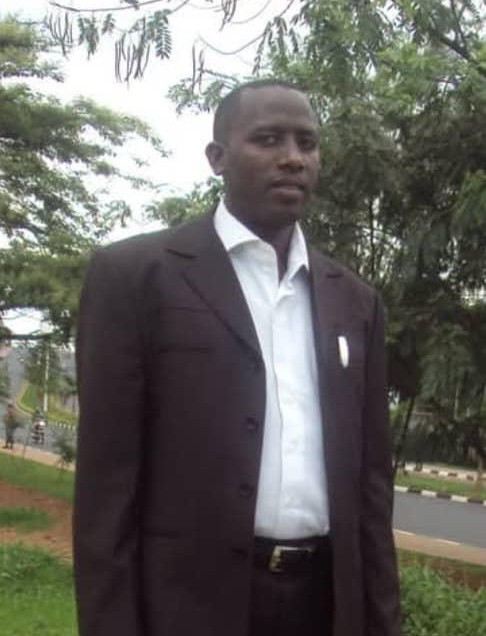
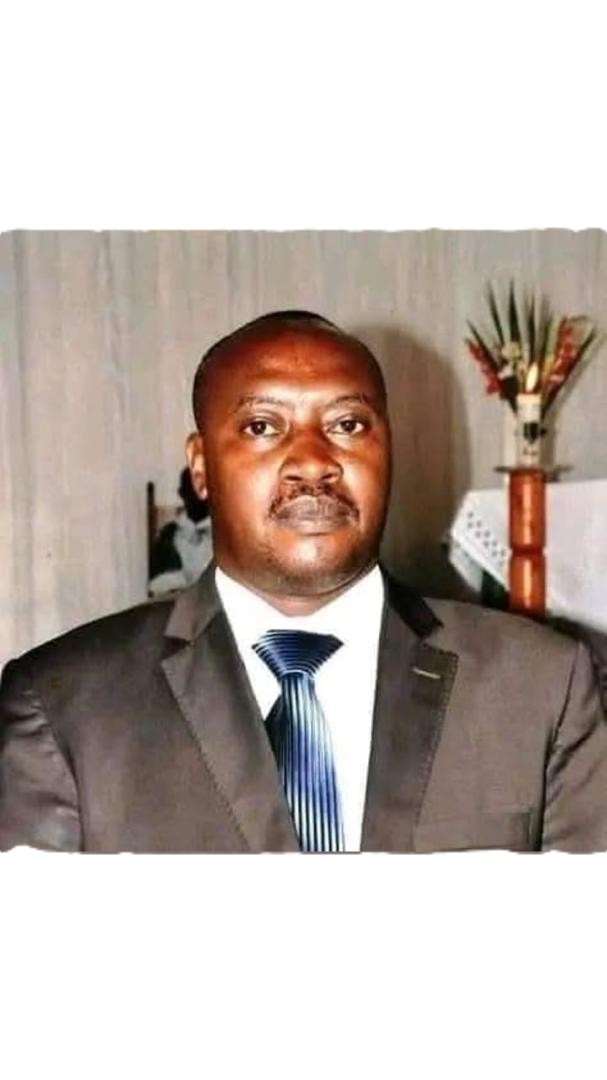
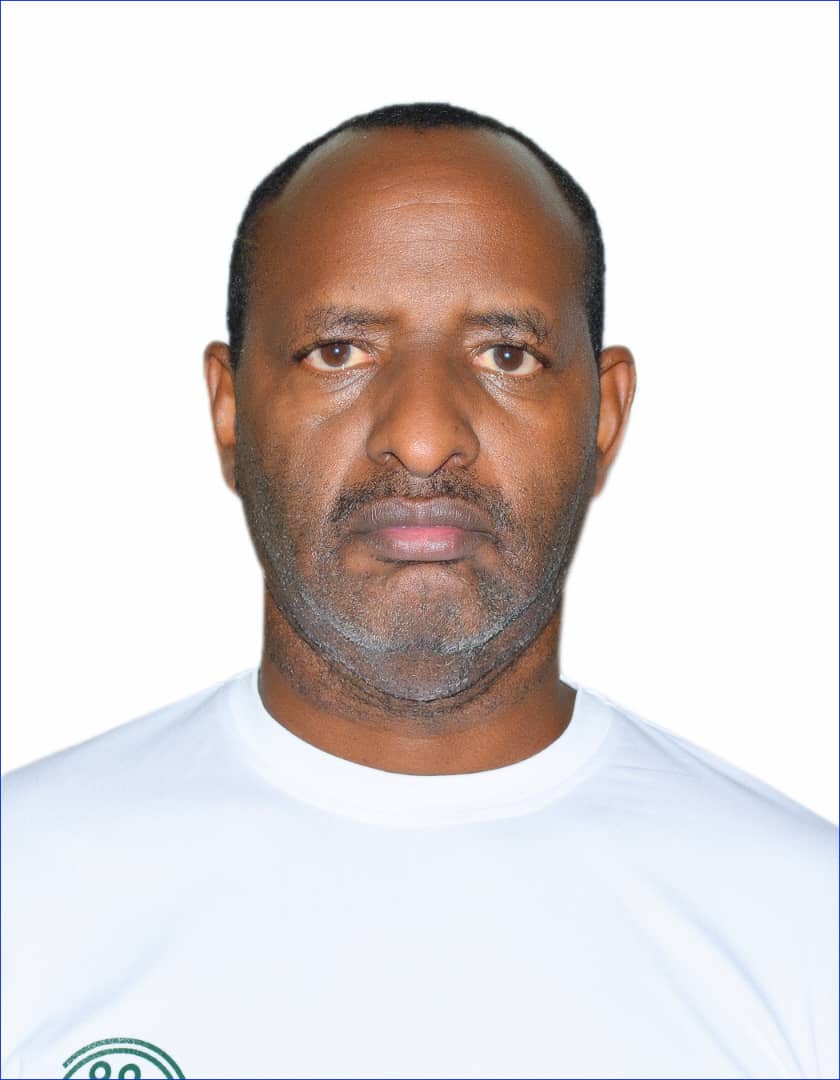
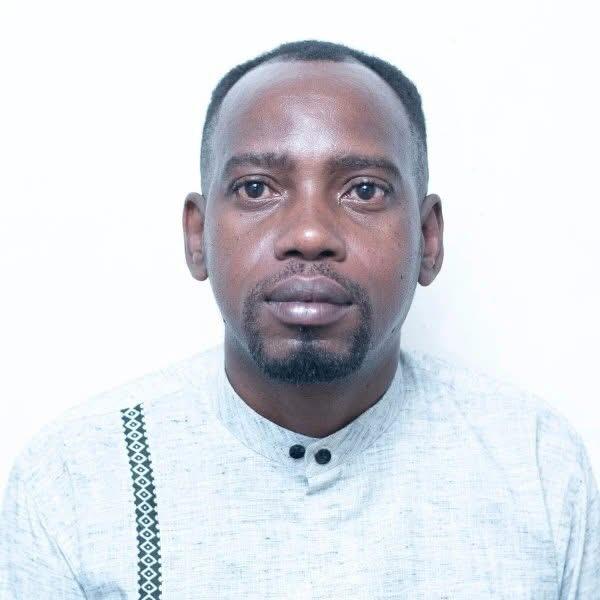
Our multi-disciplinary team of health professionals, advocates, researchers and community workers brings together expertise in neurology, physiotherapy, nursing, public health, policy, and communications to deliver measurable impact across Rwanda.
To reduce the incidence, recurrence, and long-term disability associated with stroke in Rwanda through integrated prevention, advocacy for equitable access to acute stroke treatment, structured rehabilitation, caregiver support, and health system strengthening.
A Rwanda free of severe stroke, where stroke prevention is prioritized within national NCD strategies, where acute stroke care is accessible, where multidisciplinary rehabilitation services are available across the continuum of care, and where every person affected by a stroke receives comprehensive long-term support.
Our work spans the full stroke care continuum — from community prevention to long-term rehabilitation — delivered through evidence-based programs across Rwanda.
Promote primary and secondary stroke prevention through risk factor screening, public education, and health literacy initiatives targeting high-risk populations across Rwanda.
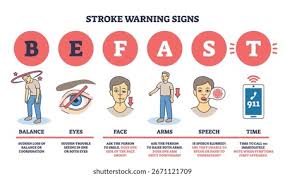
Conduct community-based awareness campaigns on early recognition of stroke symptoms using the F.A.S.T. method and emergency response activation — saving lives through fast action.
Support stroke survivors through rehabilitation guidance, psychosocial support, and community reintegration initiatives promoting independence and quality of life.
Provide structured education and support for caregivers involved in long-term stroke management — equipping families with the knowledge and resources they need.
Advocate for organized stroke care systems, improved access to neuroimaging and acute treatment pathways, and collaboration with health professionals and institutions across Rwanda.
Support clinical research, outcome monitoring, and knowledge translation to improve stroke care quality, inform policy, and contribute to regional and global stroke science.
We are committed to delivering and advocating for interventions grounded in the best available scientific evidence. All programs and services are aligned with validated clinical guidelines, recognized public health frameworks, and context-appropriate best practices across the stroke continuum of care — prevention, acute care, rehabilitation, and long-term support. Decision-making integrates rigorous scientific evidence, clinical expertise, and the lived experience of stroke survivors and caregivers. We systematically review emerging evidence, monitor performance indicators, and adapt implementation to ensure effectiveness, quality, safety, and measurable impact.
We place individuals, families, and communities at the center of all policies, programs, and services. Our approach prioritizes dignity, autonomy, cultural responsiveness, and continuity of care across the stroke pathway. We actively address disparities in access and outcomes by promoting equitable access to prevention, emergency response, treatment, rehabilitation, and long-term support — particularly for underserved, rural, low-income, and vulnerable populations. Equity is embedded in program design, resource allocation, partnerships, and performance measurement.
We institutionalize the meaningful engagement of individuals with lived experience of stroke throughout the full program cycle. Survivors, caregivers, and community representatives contribute to priority setting, program design, implementation planning, monitoring and evaluation, and policy advocacy. Engagement mechanisms are structured, inclusive, and sustained to ensure participation is substantive and influential. Programs are co-created and adapted to local context to maximize relevance, acceptability, equity, and effectiveness.
We strengthen community and health system capacity through education, awareness, workforce development, and multi-sectoral collaboration. Our initiatives promote sustainable improvements in stroke literacy, early recognition and referral, rehabilitation access, and long-term support systems. Progress is tracked through defined indicators aligned with national health priorities and our strategic objectives.
We operate with robust governance structures, clearly defined roles and responsibilities, measurable objectives, and transparent reporting systems. We ensure responsible stewardship of financial, human, and institutional resources; compliance with legal and ethical standards; and continuous performance monitoring against strategic targets. Accountability extends to beneficiaries, partners, donors, regulators, and the public, reinforcing trust, integrity, and organizational credibility.
From founding vision to Rwanda's leading stroke organization — a decade of growing impact.
SAR is founded by Dr. Joseph Rukelibuga and registered with Rwanda Governance Board (RGB). The founding mission: reduce the burden of stroke in Rwanda through evidence-based advocacy and community action.
Launch of Rwanda's first organized stroke F.A.S.T. awareness campaigns, reaching thousands across Kigali and surrounding districts with life-saving symptom recognition education.
SAR joins the World Stroke Organization (WSO), African Stroke Organization (ASO), and East Africa NCD Alliance — bringing Rwanda's stroke agenda to the global stage and accessing international resources.
Despite pandemic disruption, SAR expanded digital health education, supported stroke survivors remotely, and strengthened caregiver programs — demonstrating organizational resilience and adaptability.
Launch of structured caregiver education programs and survivor rehabilitation support networks across Rwanda's provinces, reaching over 1,000 individuals with post-stroke care guidance.
SAR today operates 5 core programs, partners with 30+ organizations nationally and internationally, and advocates at the highest levels of Rwanda's health policy for organized stroke care and NCD integration.
Want to join our volunteer team? We welcome passionate health professionals and advocates.
Join Our TeamWe work with Rwanda's leading health institutions and international stroke organizations to maximize our reach and impact.