

Theme: Reflection, Resilience, and Re-evaluating Our Path Forward
Executive Summar
On September 26, 2023, the Executive Committee of Stroke Action Rwanda (SAR) convened a mini-retreat to conduct a comprehensive organizational review. This assembly served as a critical touchpoint for 15 people—including stroke survivors, dedicated caregivers, and organizational leadership—to assess the progress made since SAR’s inception in 2019 and to align on future strategic priorities.
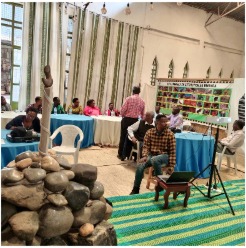
The Venue: Kimezamiryango Center
Selected for its tranquil atmosphere and conducive environment for mental well-being, the Kimezamiryango Center in Bishenyi provided a restorative backdrop for our proceedings. Located just outside Kigali, the center’s stone sculpture exhibitions and expansive botanical gardens offered the necessary quietude for deep reflection and meaningful group dialogue.
Core Objectives & Methodology
The retreat was facilitated through a blend of structured presentations and participatory workshops, focusing on three key pillars:
| Pillar | Focus Area |
|---|---|
| Identity & Heritage | Re-affirming our collective identity as stroke survivors and advocates within the Rwandan context. |
| Performance Review | Evaluating organizational milestones and impact metrics achieved since our 2019 founding. |
| Strategic Needs Assessment | Identifying current gaps in care, localized "home-grown" solutions, and immediate advocacy priorities. |
Key Highlights & Peer Support
The retreat transcended administrative planning by fostering a robust peer-support ecosystem. Key activities included:
• Narrative Therapy: Participants engaged in storytelling and shared testimonies, a vital component in the psychological rehabilitation of stroke survivors.
• Holistic Wellness: A guided walking tour through the center’s gardens emphasized the importance of physical mobility and the therapeutic benefits of nature.
• Stakeholder Consultation: Open-floor discussions ensured that both young and elderly members, as well as caregivers, had a voice in shaping SAR’s operational roadmap.
Outcomes and Future Outlook
The session concluded with a comprehensive evaluation, where participants recognized the profound impact of peer-to-peer engagement. The primary recommendation moving forward is the transition from single-day sessions to extended three-day residential retreats. This expansion will allow for more intensive capacity building and the deepening of support networks.
"Through the sharing of ideas and local solutions, we have strengthened the foundation of Stroke Action Rwanda, ensuring our community remains resilient and well-supported.
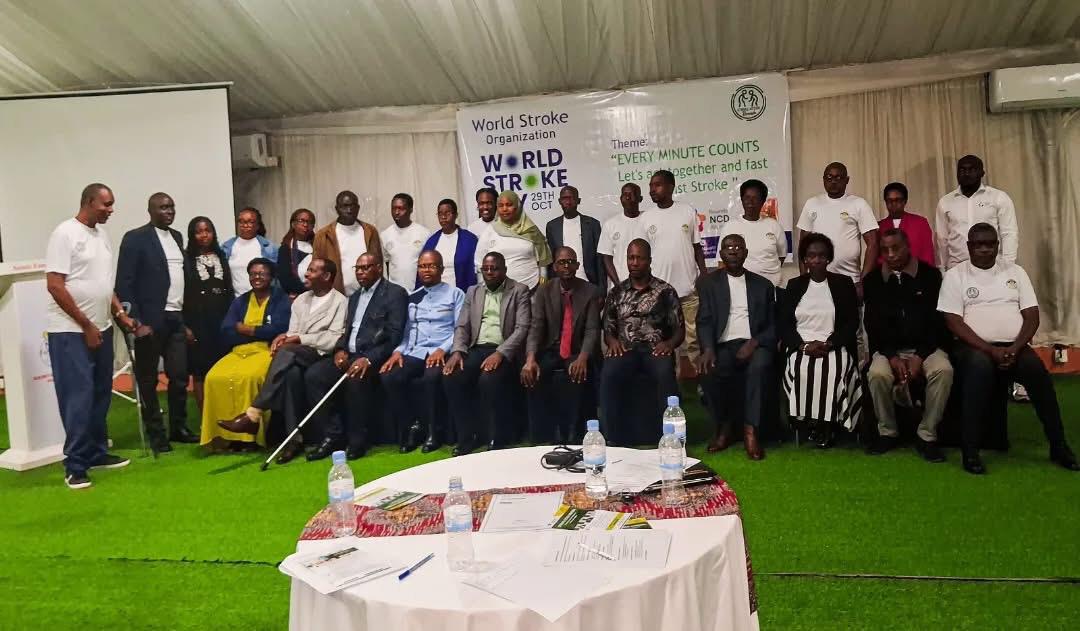


World Stroke Day takes place on 29 October every year. This global awareness day was established by the World Stroke Organization (WSO). It provides a global platform to increase awareness and drive action on stroke, focusing on risk factors, signs of stroke, and advocating for better treatment and support for survivors. Global Impact and Statistics
World Stroke Day in Rwanda
Annual Themes and Campaigns
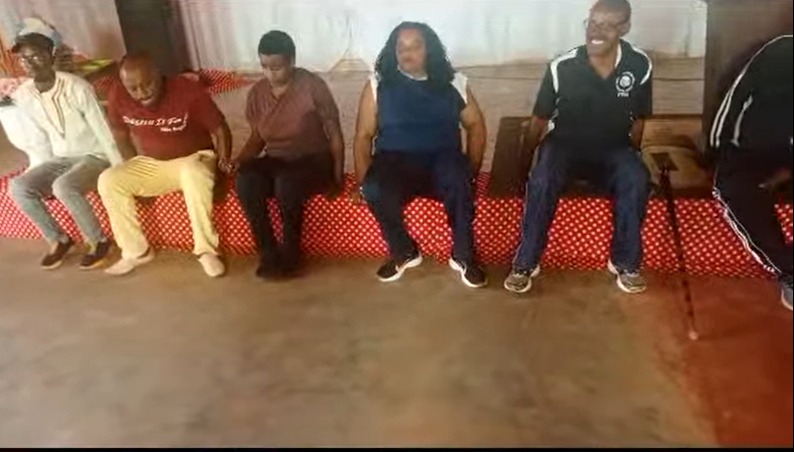


Stroke Action Rwanda (SAR) implements a community-based rehabilitation (CBR) model designed to mitigate the long-term physical, psychological, and socio-economic impacts of stroke. Our Peer Support Groups serve as a critical intervention point for social inclusion, secondary prevention, and economic recovery.
The Peer Support Framework
In the context of stroke recovery, "Peers" are defined as survivors and caregivers who share the lived experience of cerebrovascular accidents. This shared identity fosters a unique environment of mutual empathy, practical knowledge transfer, and emotional resilience.
Our Motto: "Together we are alive and strong."
Operational Modalities
We utilize a hybrid approach to ensure maximum reach across diverse target groups, including urban and rural populations with varying literacy levels.
A. Virtual Advocacy & Communication (WhatsApp)
The "Stroke Action Rwanda" digital forum acts as a nationwide auxiliary support network for real-time counseling and FAQ management.
B. District-Level Pilot PSGs
We currently operate intensive pilot groups in Gasabo, Kicukiro, Bugesera, Musanze, and Kamonyi, Districts consisting of 8–15 members led by a Team Lead Stroke Suvivor elected by peers.
Socio-Economic Empowerment: The Kicukiro Model
A landmark achievement in our program is the establishment of internal financial structures, pioneered by the Kicukiro Peer Support Group. This initiative transitions the PSG from a support circle into a micro-economic engine.
Structured Internal Savings and Loan Scheme
Members have successfully implemented a system of regular savings contributions to enhance financial resilience.
• Micro-Credit Access: Members can access low-value, low-interest loans to seed income-generating micro-enterprises.
• Solidarity Fund: A dedicated monthly contribution serves as an emergency social safety net, providing immediate financial relief for members facing urgent medical or personal crises.
• Progressive Self-Reliance: While currently limited by the saving capacity of members, this model represents a significant milestone in financial inclusion and mutual aid.
SAR leadership is currently working to evaluate and standardize this model to scale it across all district PSGs as a core programmatic component.
Technical Focus & Holistic Health
Our PSG sessions are governed by a Total Pain Assessment model, addressing the four dimensions of human recovery:
| Dimension | Intervention Strategy |
|---|---|
| Physical | Digital Health Integration: Utilizing the Jm’entraine app (ISPC Synergies) for home-based kinesiology and muscle spasticity prevention. |
| Psychological | Mitigation of post-stroke depression (PSD) and anxiety through story telling to share lived experience and tailored counselling by a counsellor. |
| Socio-Economic | Implementation of the Savings and Loan Scheme to restore financial autonomy and fund micro-enterprises. |
| Spiritual/Social | Restoring dignity through the Stroke Survivor Bill of Rights and fostering community inclusion. |
| Well-being | Vital signs checks ( blood sugar, blood pression) |
Use of Digital Application: “Jm’entraine” to promote physical activity
To promote neuroplasticity and physical independence, SAR integrates the Jm’entraine application into our rehabilitation protocols.
• Mechanism: Customized, coach-guided exercise regimens that reduce caregiver dependency.
• Impact: By enabling independent physical activity, we free up time for caregivers to engage in economic activities, further supporting the household's financial stability.
Roadmap for Scalability
Despite the success of our pilot districts, systemic barriers such as the digital divide (lack of smartphones) and family-imposed stigma remain.
Future Objectives:
1. Standardization: Formalizing the Kicukiro savings model into a national "Stroke Survivor Cooperative Framework."
2. Advocacy: Engaging local government to integrate these PSGs into district-level NCD prevention and social protection schemes.
3. Expansion: Onboarding survivors in districts where SAR has not yet established a physical presence.
 Stroke Action Rwanda